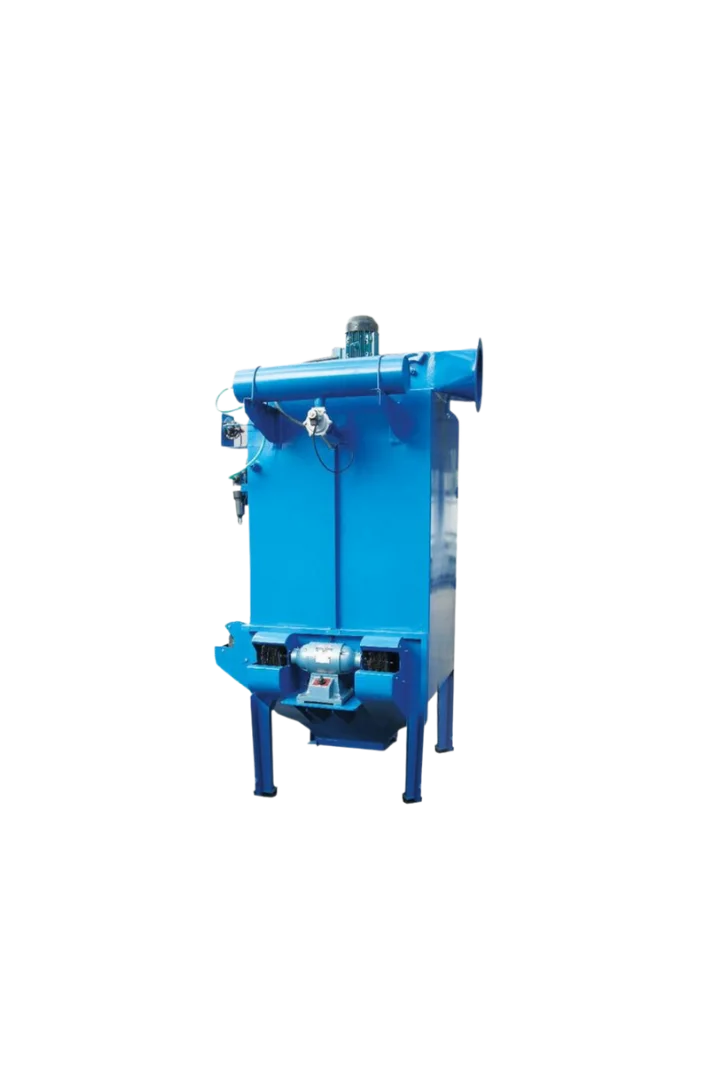
Lug brushing sits between casting and assembly, takes seconds per plate, and is the first thing to be skipped when a line is running behind. It is also the step that determines whether the lug-to-strap weld is a metallurgical joint or a contact.
What the brush is actually doing
A cast lug comes out of the mould with a thin oxide and release-agent film. Both are resistive. A weld made through that film starts as a point contact, heats unevenly, and either fails the pull test immediately or fails in service after a few hundred cycles of thermal expansion.
Brushing removes the film and, just as importantly, roughens the surface so that the welding operation has somewhere to bite.
Where it goes wrong
- Brush wear is not monitored. A worn brush polishes rather than cuts. The lug looks shiny and is still contaminated.
- Brush pressure is set once and never checked. Light pressure produces a cosmetic pass. The plate passes a visual inspection and fails a weld test.
- Brushed plates sit in the buffer too long. Re-oxidation is fast in humid conditions. A plate brushed on Monday and welded on Wednesday is not a brushed plate.
- Only the top of the lug is brushed. The weld needs the full contact face, including the shoulder.
What to specify
When buying a lug brushing machine, the parameters that matter are brush type and diameter, brush speed, contact pressure, and how the plate is held. A machine that relies on the operator to hold the plate will produce inconsistent results after the first week.
The best test of a brushing machine is not how fast it runs. It is whether plate 500 and plate 50,000 are brushed to the same standard.
A simple check
Take two plates from opposite ends of a shift. Wipe both with a clean white cloth. If the cloth comes away grey from both, the brush is still working. If one cloth stays clean, you have found your intermittent weld failure before the customer did.