Battery manufacturing, end to end
Machines for every station of a battery plant.
We design and build the equipment that turns lead, paste, grid and separator into a finished cell — from plate casting and pasting through curing, filling, formation and final test. Traction, tubular, UPS, solar and forklift batteries.
What we build
Two product lines,
one engineering team.
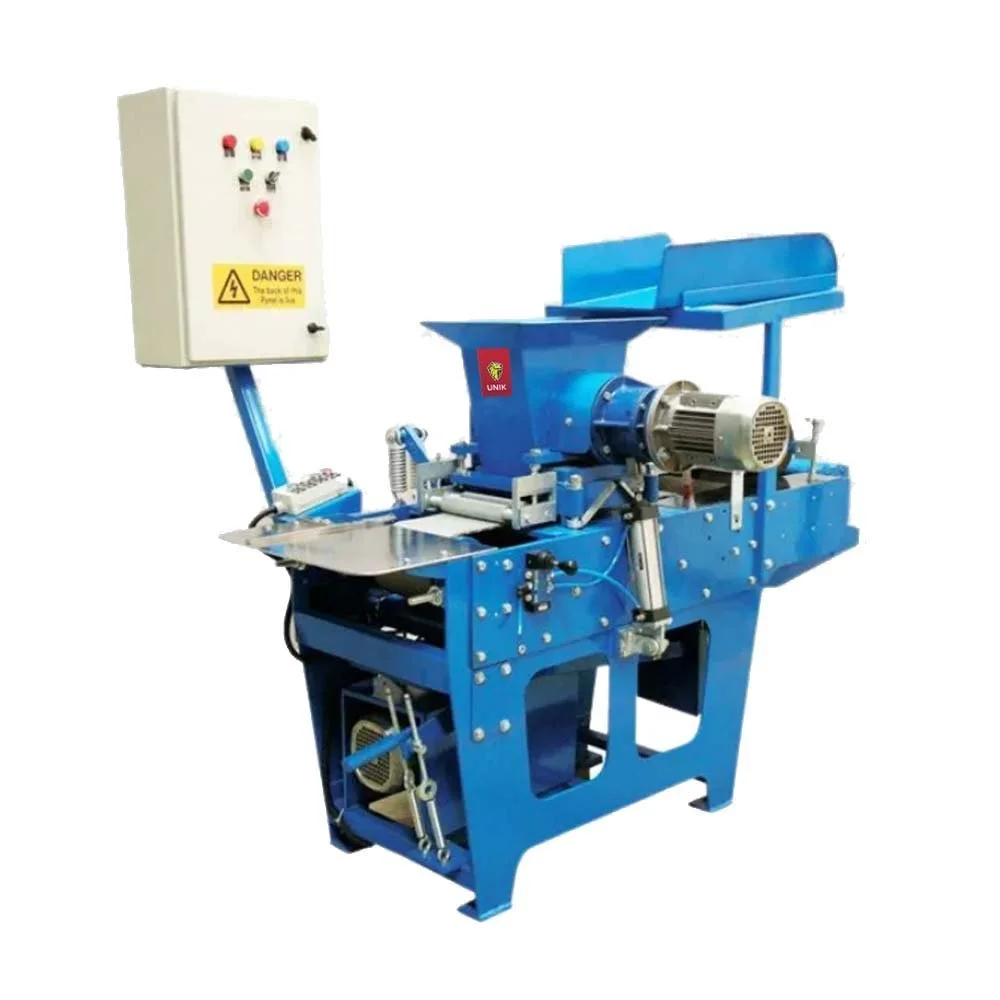
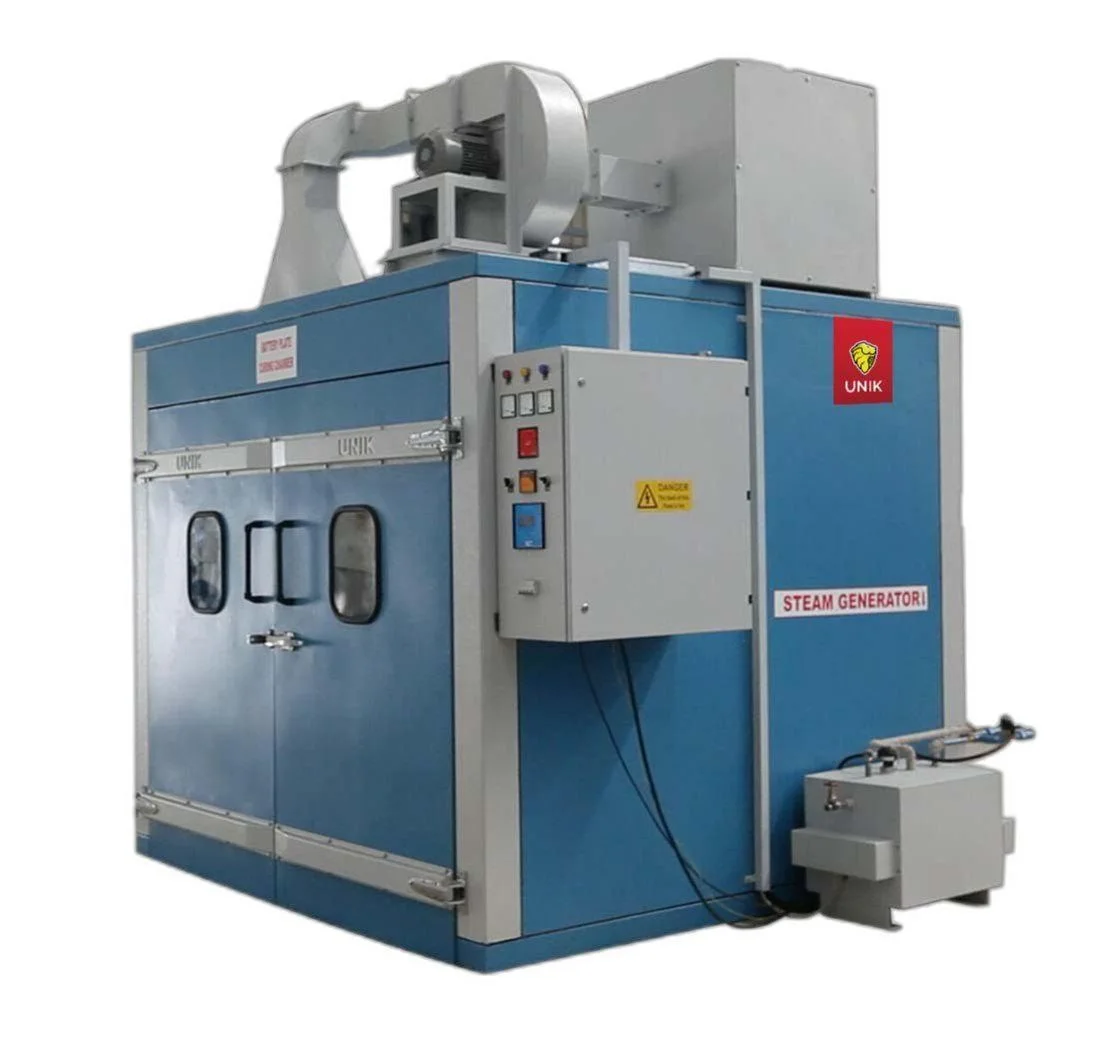
On one side, the machines: plate pasting, lug brushing, plate filling, heat sealing, curing chambers, dry charging ovens, test and handling equipment. On the other, the batteries those machines produce: traction, semi-traction, tubular, golf cart, scrubber, forklift, UPS and solar.
Because we build both, the machine design is informed by what actually happens downstream — scrap rates, cycle time, acid handling, operator access. That is the difference between a machine that runs and a machine that runs a plant.
Batteries
Cells and batteries for the work that does not stop.
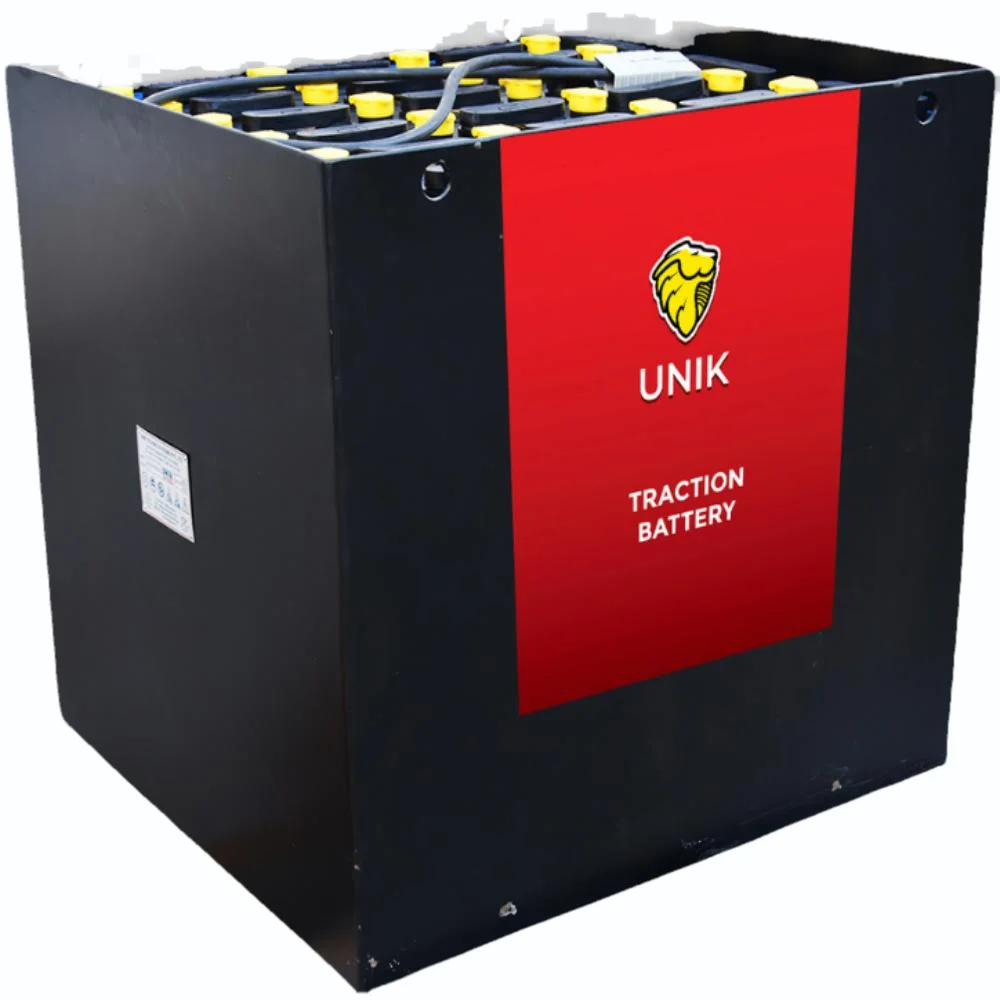
Traction packs for forklifts and industrial vehicles, tubular deep-cycle for solar and scrubbers, stationary cells for substations and telecom, and sealed monoblocs for UPS duty.
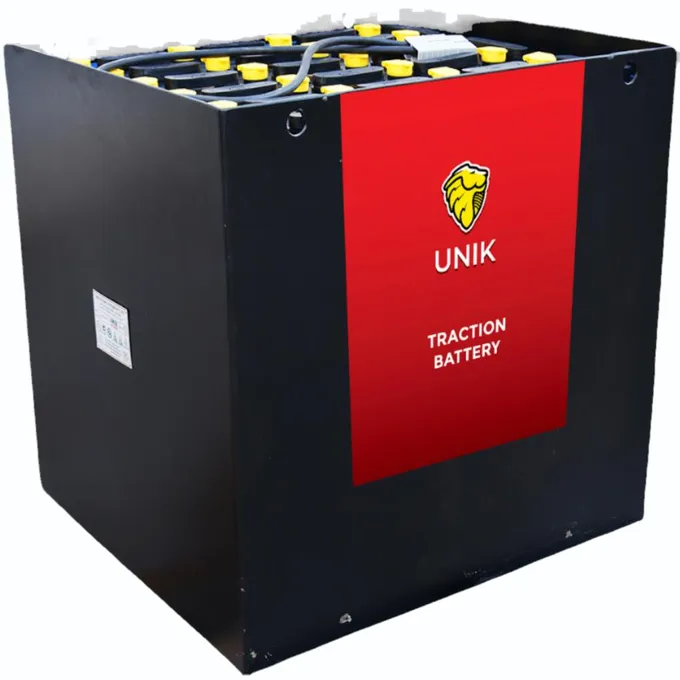
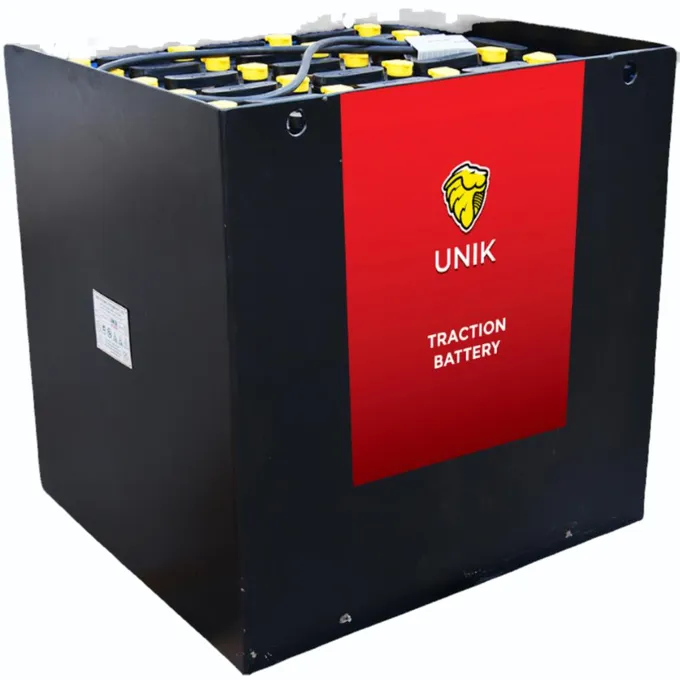
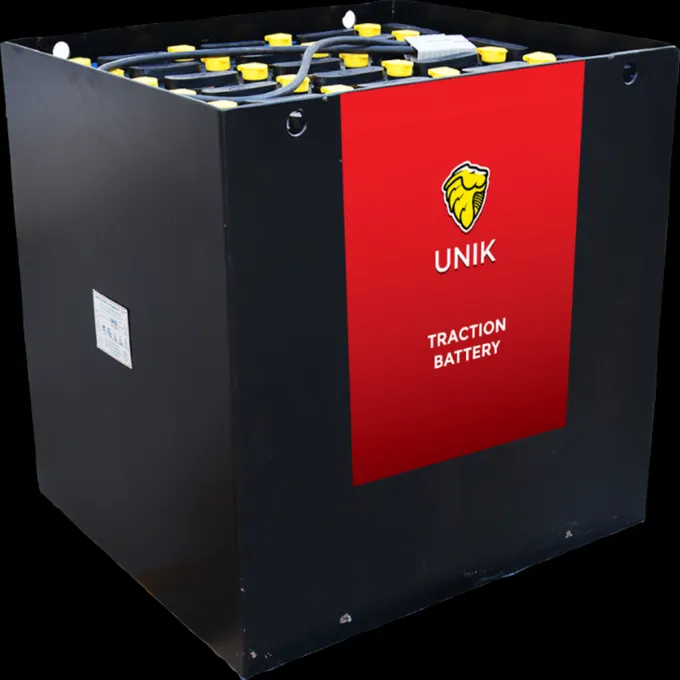 Traction Battery
View details →
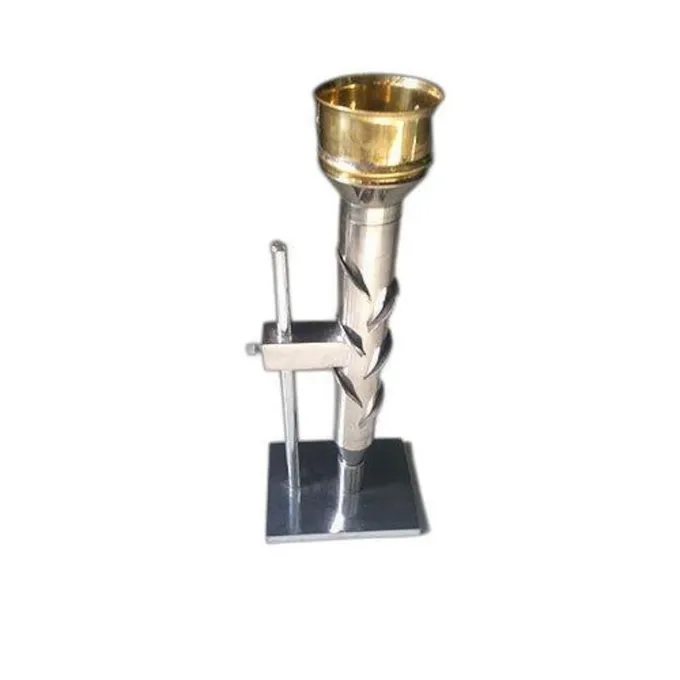 Golf Cart Batteries
View details →
 Battery Lug Brushing Machine
View details →
 Battery Making Plant
View details →
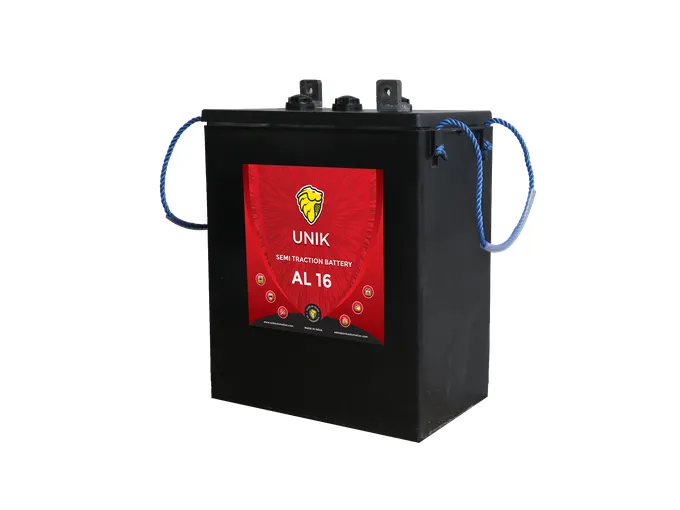 Semi Traction Batteries
View details →
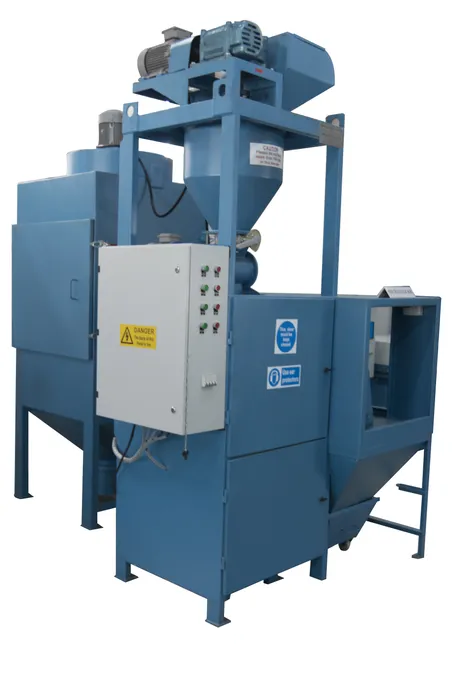 Battery Plate Filling Machine
View details →
The plant, station by station
From lead ingot to tested cell.
A battery plant is a chain of tightly coupled steps. A weak link in pasting shows up as scrap in formation; a badly cured plate shows up as a short service life two years later. We build to the chain, not to the catalogue.
- Grid and plate — casting, pasting, brushing, filling
- Curing and drying — chamber design, airflow, humidity control
- Assembly — heat sealing, lug welding, grouping, containerisation
- Formation and test — dry charging, capacity, polarity, pressure test
Working with us
You get the machine, the manual, and the people who built it.
Documented handover
Every unit ships with an Operation & Maintenance manual covering installation, commissioning, process parameters and the maintenance schedule.
Operator training
Client representatives are invited to the demonstration run before dispatch, so fault finding and process limits are understood before the machine reaches site.
Spares and service
Spares sourced through our vendor network, with our service engineers assisting on installation and first production.
From the floor
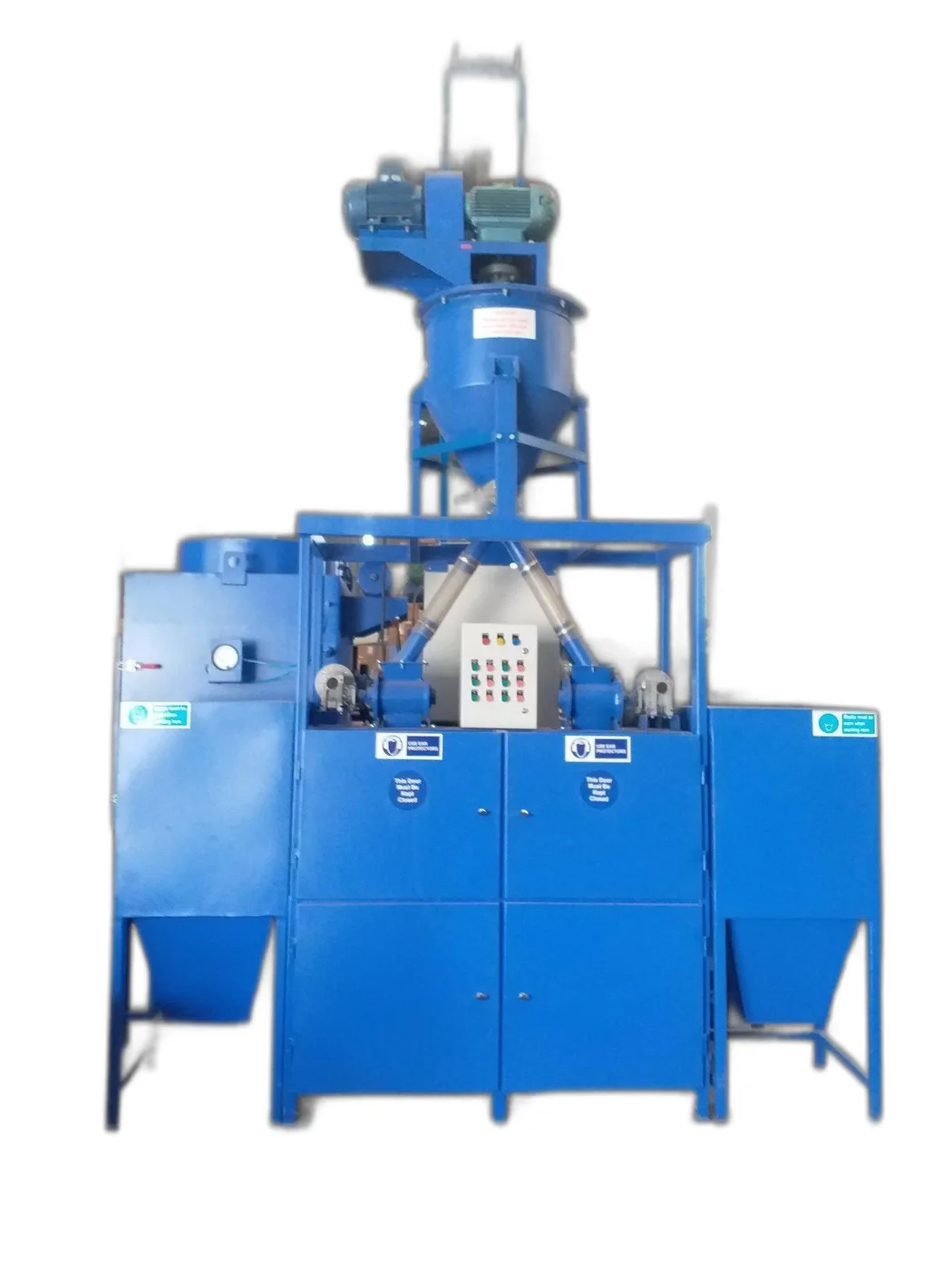
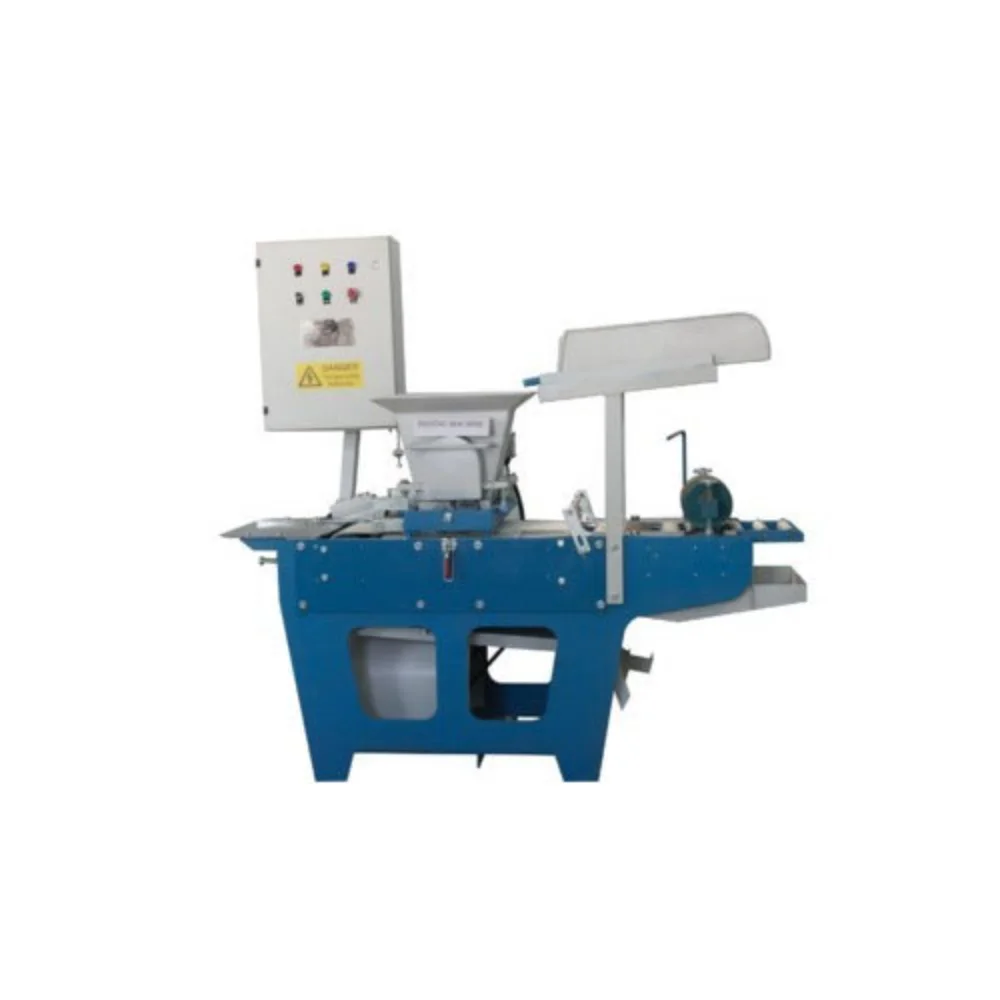
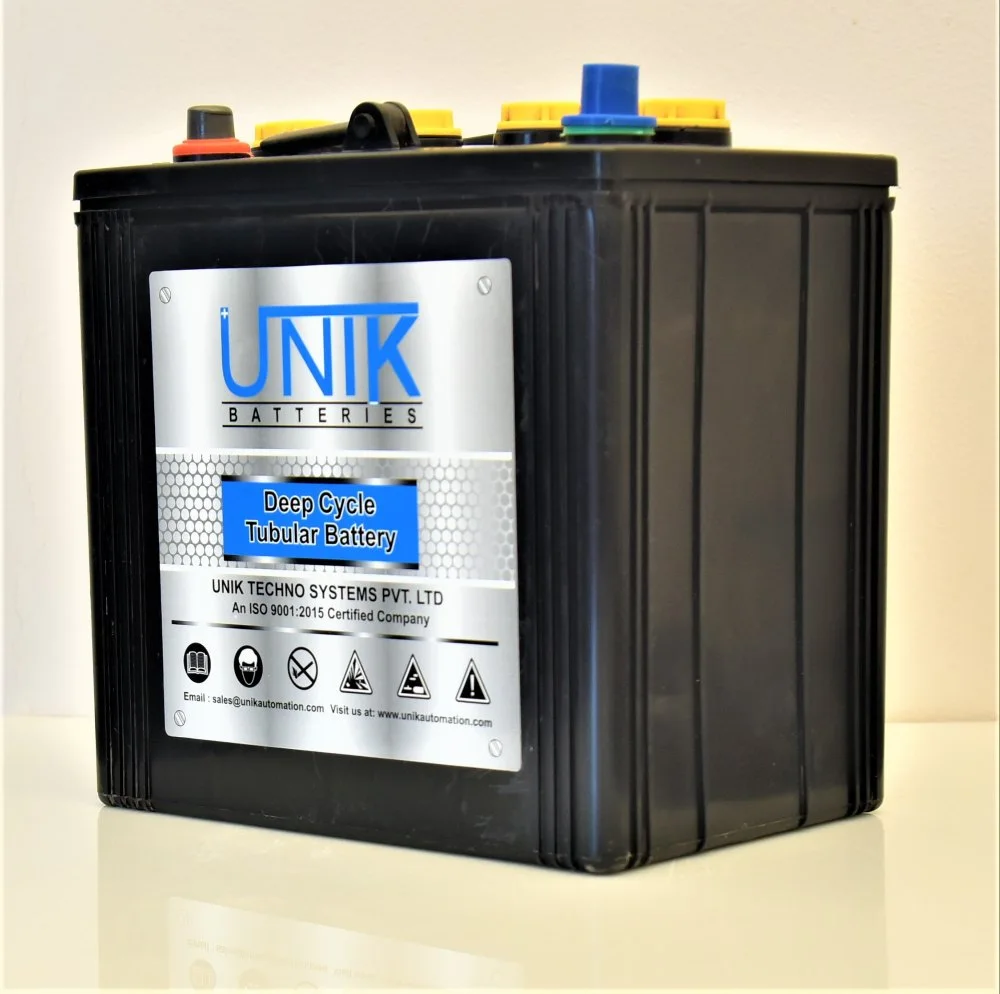
Machines, plates and batteries as they leave the works.
Buyer questions
What buyers ask before they commit to a line.
What machines are needed to start a battery manufacturing plant?
A lead-acid plant needs seven stages of equipment: plate making (pasting, or tubular plate filling), curing, lug preparation, assembly and heat sealing, acid filling, formation, and electrical test. Unik builds all seven at Bhosari MIDC, Pune. A 500-battery-a-day line usually starts with semi-automatic pasting and one curing chamber; the full checklist is on the battery machines page.
Do you export battery making machines outside India?
Yes. Machines and batteries ship to more than 15 markets, with export packing and documentation from Nhava Sheva, and commissioning on site. Quotations can be issued Ex-Works, FOB or CIF, so freight and duty can be compared separately from the machine price.
What is the lead time for a machine or a full line?
Six to eight weeks for a single machine, eight to fourteen weeks for a complete line, then three to six weeks on site for installation and commissioning. Curing chambers and formation equipment sit at the long end because they are built to volume rather than to a standard frame.
Do you supply the batteries as well as the machines?
Yes — traction, tubular, semi-traction, golf cart, scrubber, UPS and solar batteries. Building both is why machine settings get validated on the battery the line will actually produce rather than on a sample sent in by the customer.
What do you need from us to quote a plant?
Cell format and plate drawing, target batteries per shift, which operations you already run in-house, the power and footprint available on the shop floor, and the commissioning window you are planning for. With those five inputs we return a machine list, a layout and an indicative timeline.
Next step
Tell us the cells you need to build,
and the plant you need to run them.
Send your capacity target, cell format and the operations you want to bring in-house. We will come back with a machine list, a layout and an indicative timeline.
What helps us quote fast
- Cell format and dimensions (cylindrical, pouch, prismatic, tubular)
- Target throughput per shift, and annual volume
- Which steps you already run, and which are new
- Shop-floor power supply and available footprint
- Destination port and required commissioning window