Company
Battery Lug Brushing Machine
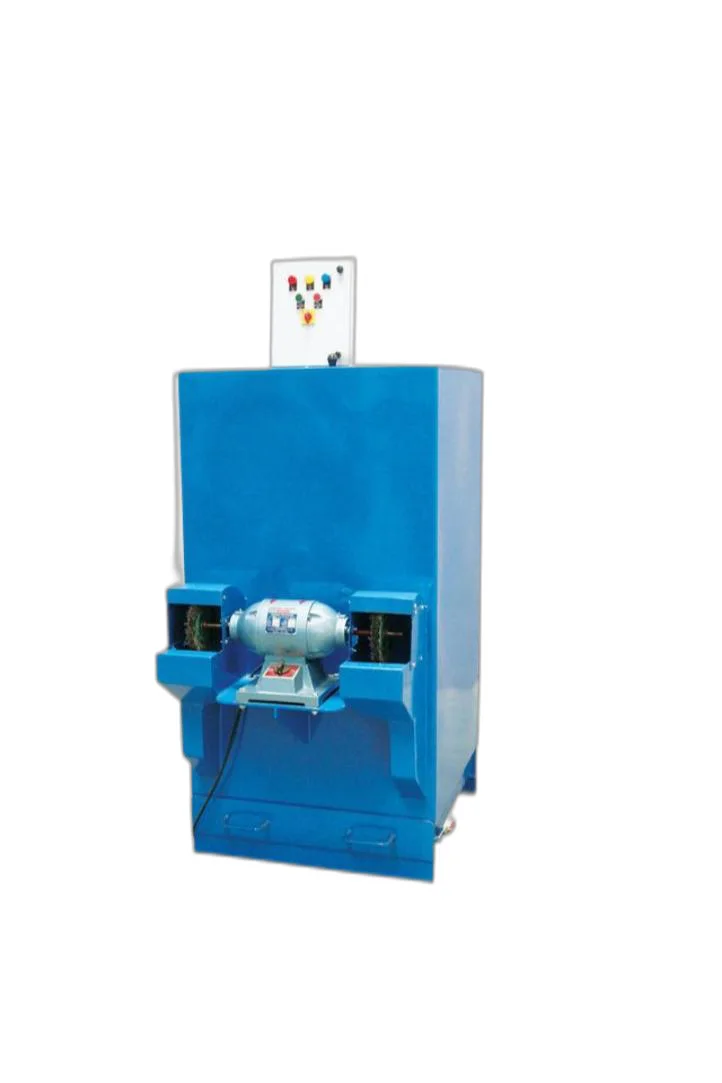
A lug brushing machine wire-brushes cast lugs to bright metal before cast-on-strap welding — the cheapest step in the plant, and the most expensive one to skip.
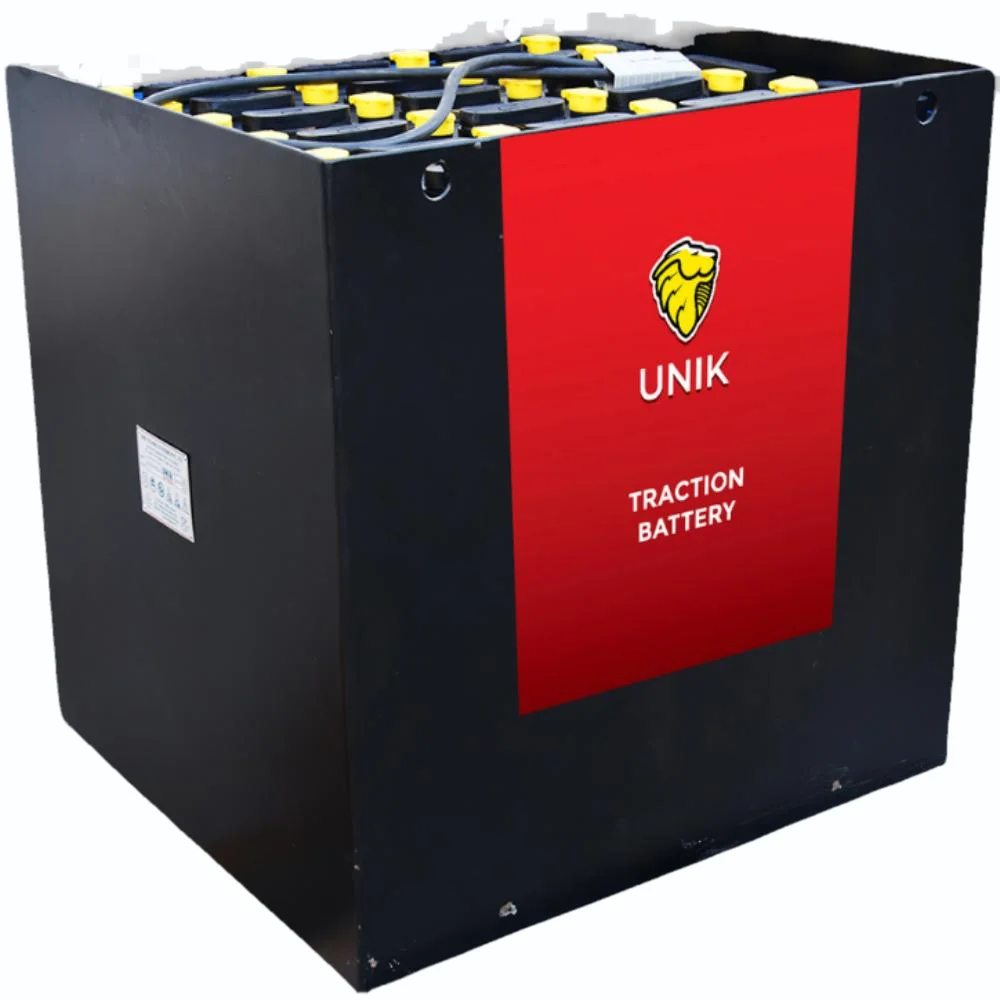
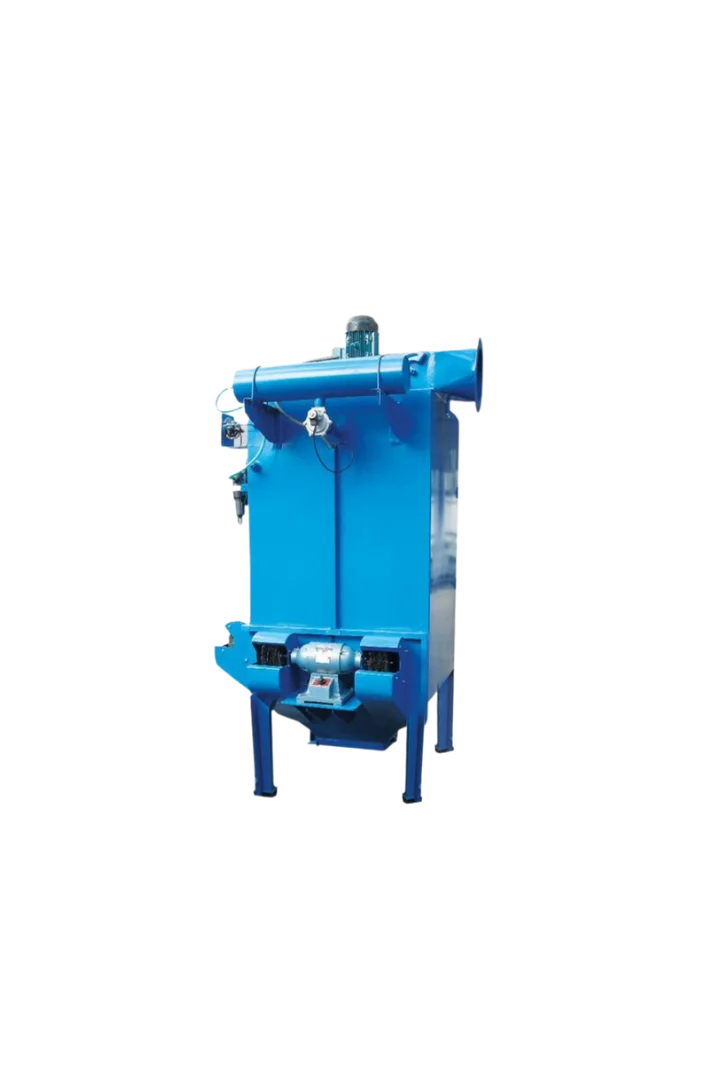
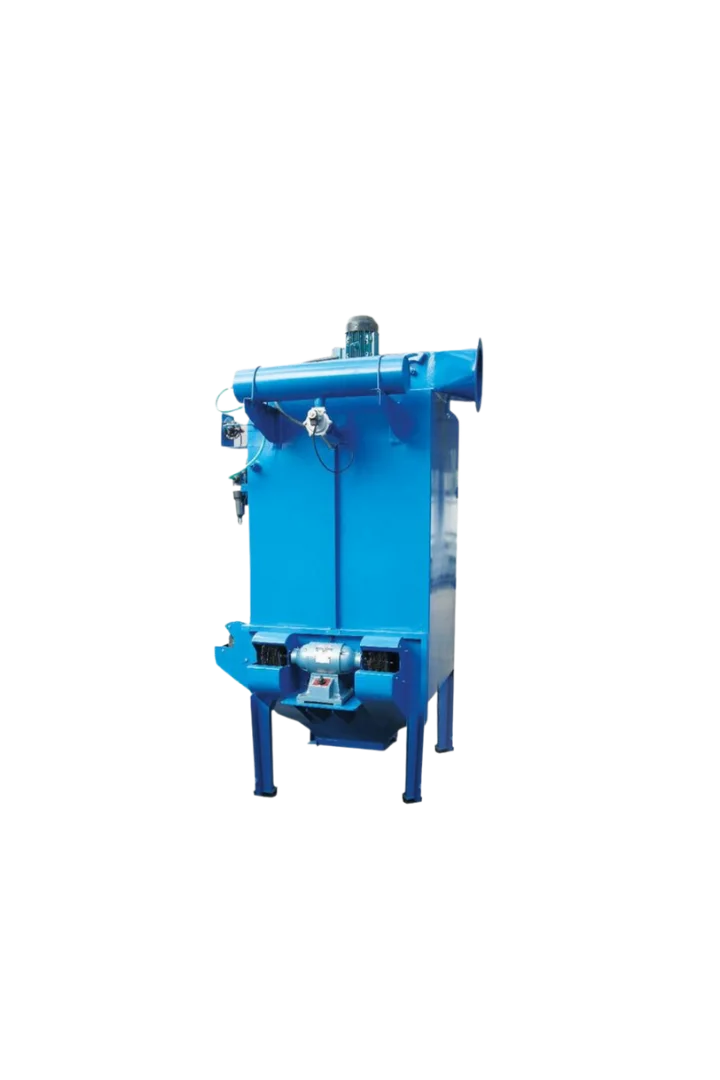
In short: a battery lug brushing machine removes the oxide and sulphate film from cast or punched lugs so the cast-on-strap weld bonds to clean lead instead of to oxide. Brushing in-line before COS lowers joint resistance, cuts post-weld rejects and prevents plates pulling out under vibration.
What brushing actually removes
A lug that has stood for a few hours carries a lead-oxide and lead-sulphate film. That film melts at a different temperature from the lug and the strap, so the weld bridges on oxide rather than on lead: resistance rises, the joint runs hot in service, and the plate can pull out of the strap under vibration.
The brushing head runs counter-rotating wire wheels with dust extraction behind the brush. Depth of cut is set by head height and conveyor speed. Brush too hard and you take the lug corner off, creating a thin section that cracks during formation — so the head is set to clean, not to remove section.
Specifications
| Parameter | Value |
|---|---|
| Lug width | 10 – 40 mm |
| Throughput | 20 – 60 plates/min |
| Brush heads | 2 (top and bottom), independent height setting |
| Dust extraction | 300 – 600 m³/h |
| Conveyor | Variable speed, indexing or continuous |
| Connected load | 1.5 – 3 kW |
Where it fits in assembly
Brushing sits between pasting and curing and the cast-on-strap or heat sealing station: cured plates in, brushed plates out, straight into grouping. The extraction duct is the part most often left out of a retrofit, and it is the part that decides whether the operator keeps the brush set correctly. For the whole sequence, see the battery making plant layout.
Questions buyers ask
Frequently asked questions
Is brushing really necessary if the lugs look clean?
Yes. A passivated lug looks bright and still carries an oxide film a few micrometres thick. The weld then bonds partly on oxide, which is why some plants see 2–5 % post-weld rejects that disappear once in-line brushing is added.
Do you supply the extraction unit with the machine?
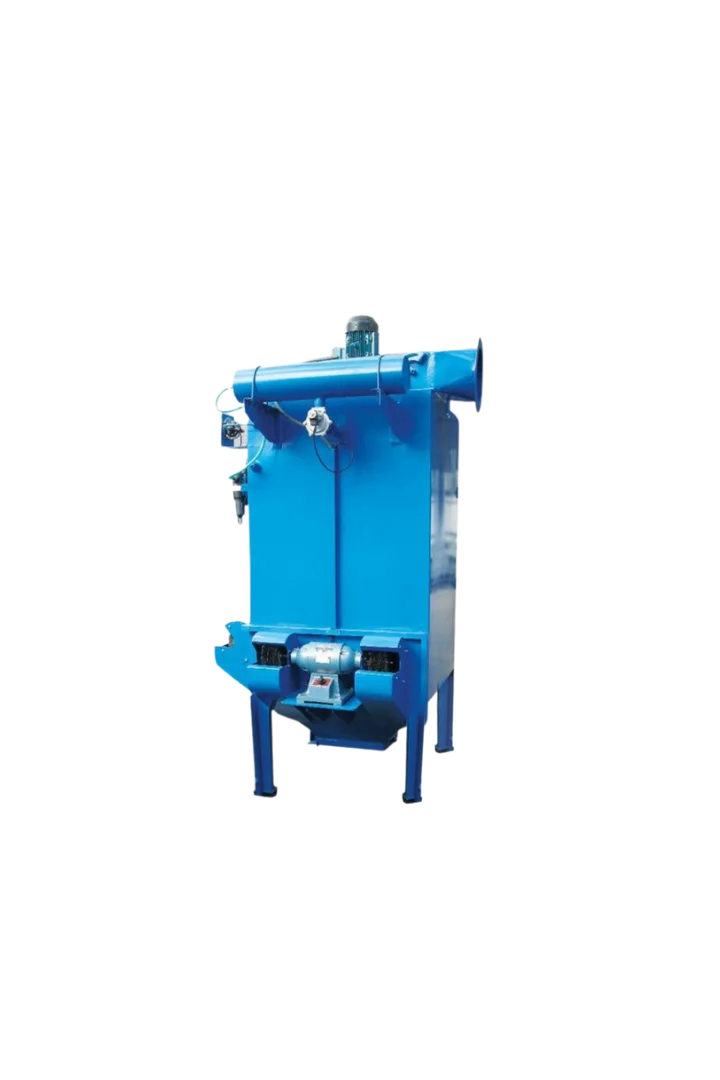
The machine is supplied with extraction hoods and a connection stub; the duct run, cyclone or bag filter and stack are quoted against your layout, because the run length and number of machines on the same system decide the fan size.
Can it be added to an existing line?
Yes. The unit is built on a stand-alone frame with its own drive, so it can be dropped into an existing conveyor between curing and COS. We ask for the conveyor height, plate pitch and available width, and match the infeed to them.
Still unresolved? Send the plate drawing or the load profile and we will answer with numbers rather than a brochure. Request a quotation →
Next step
Tell us the cells you need to build,
and the plant you need to run them.
Send your capacity target, cell format and the operations you want to bring in-house. We will come back with a machine list, a layout and an indicative timeline.
What helps us quote fast
- Cell format and dimensions (cylindrical, pouch, prismatic, tubular)
- Target throughput per shift, and annual volume
- Which steps you already run, and which are new
- Shop-floor power supply and available footprint
- Destination port and required commissioning window