Company
Battery Making Plant
A battery making plant is a matched set of machines running from grid casting to formation test — we scope the line, build the equipment and commission it on your floor.
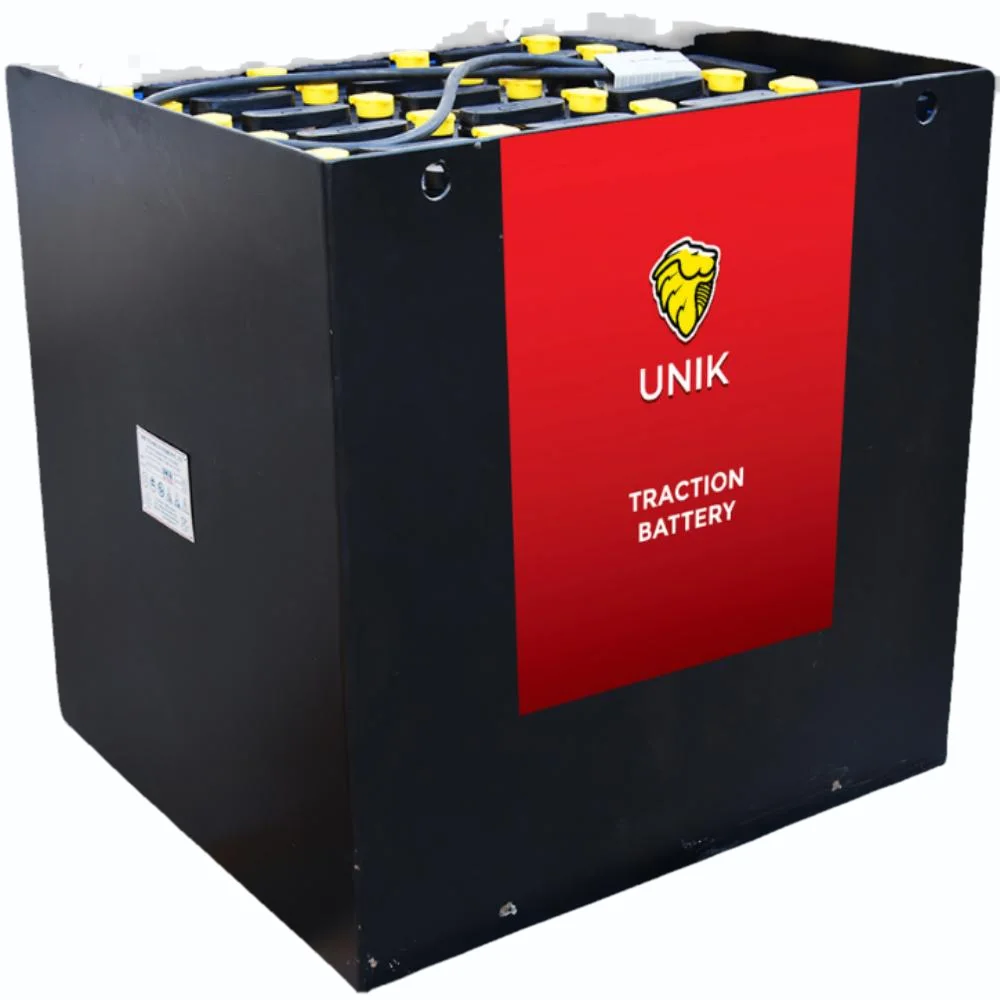
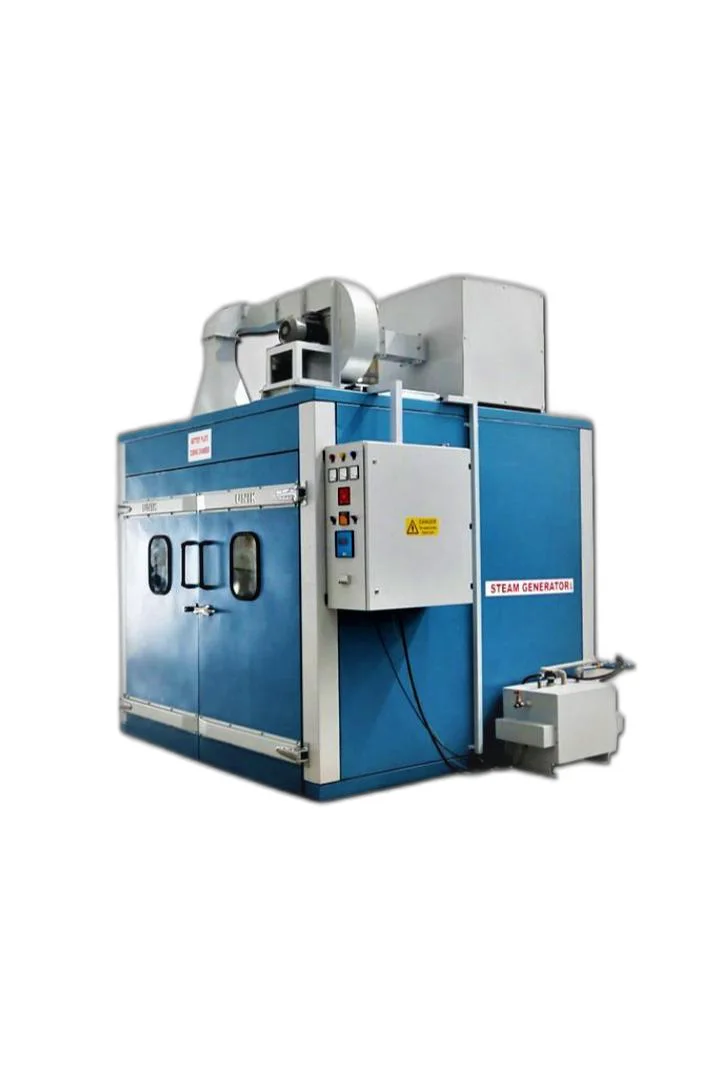
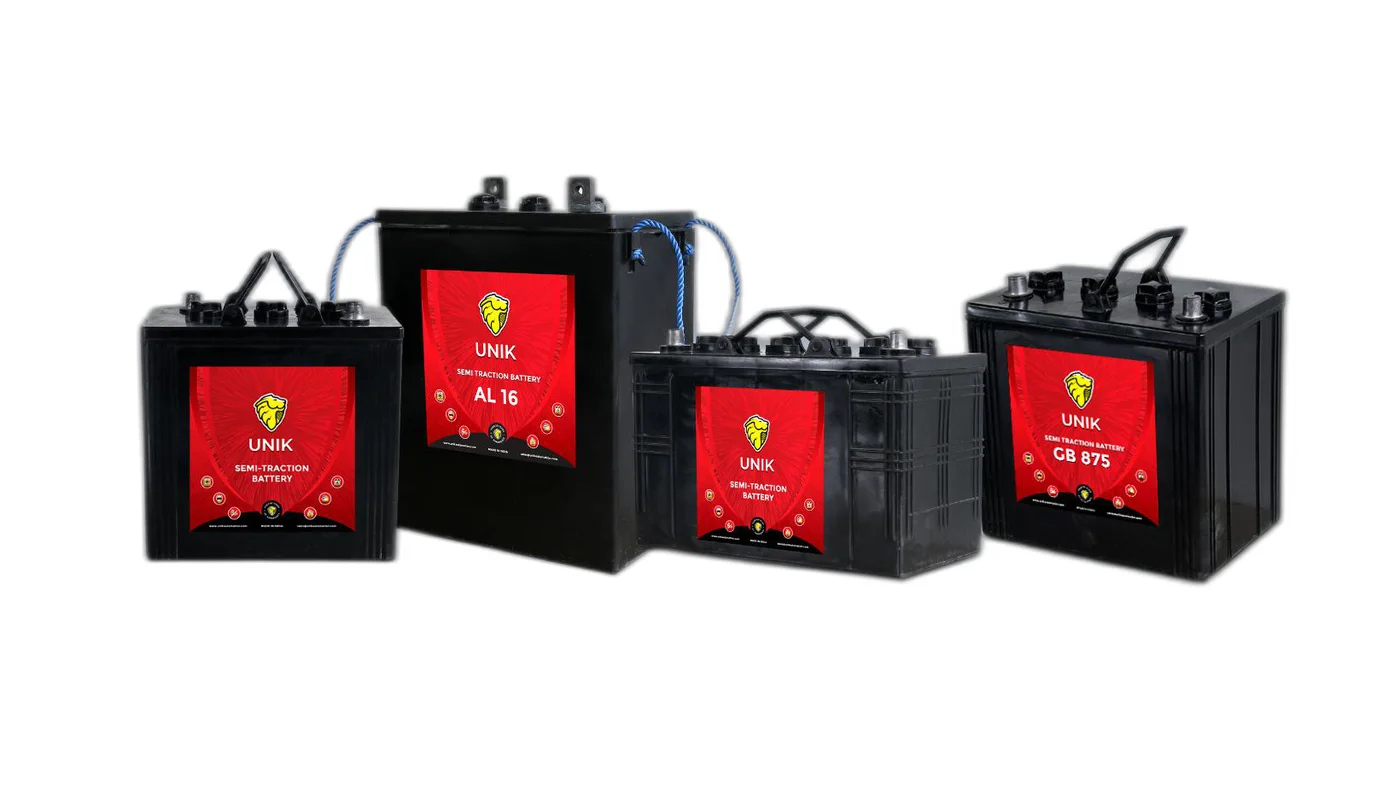
In short: a battery making plant is the sequence of machines a lead-acid battery passes through: grid casting, pasting or tubular filling, curing, assembly, acid filling, formation and test. Unik scopes the line from your cell format and target throughput, builds the machines at Bhosari MIDC in Pune, and commissions them on site.
The station sequence
Each stage sets a constraint for the next, so the plant is designed as a chain rather than a shopping list. A weak link in pasting shows up as scrap in formation; a badly cured plate shows up as a short service life two years later.
| Stage | Machine | What it decides |
|---|---|---|
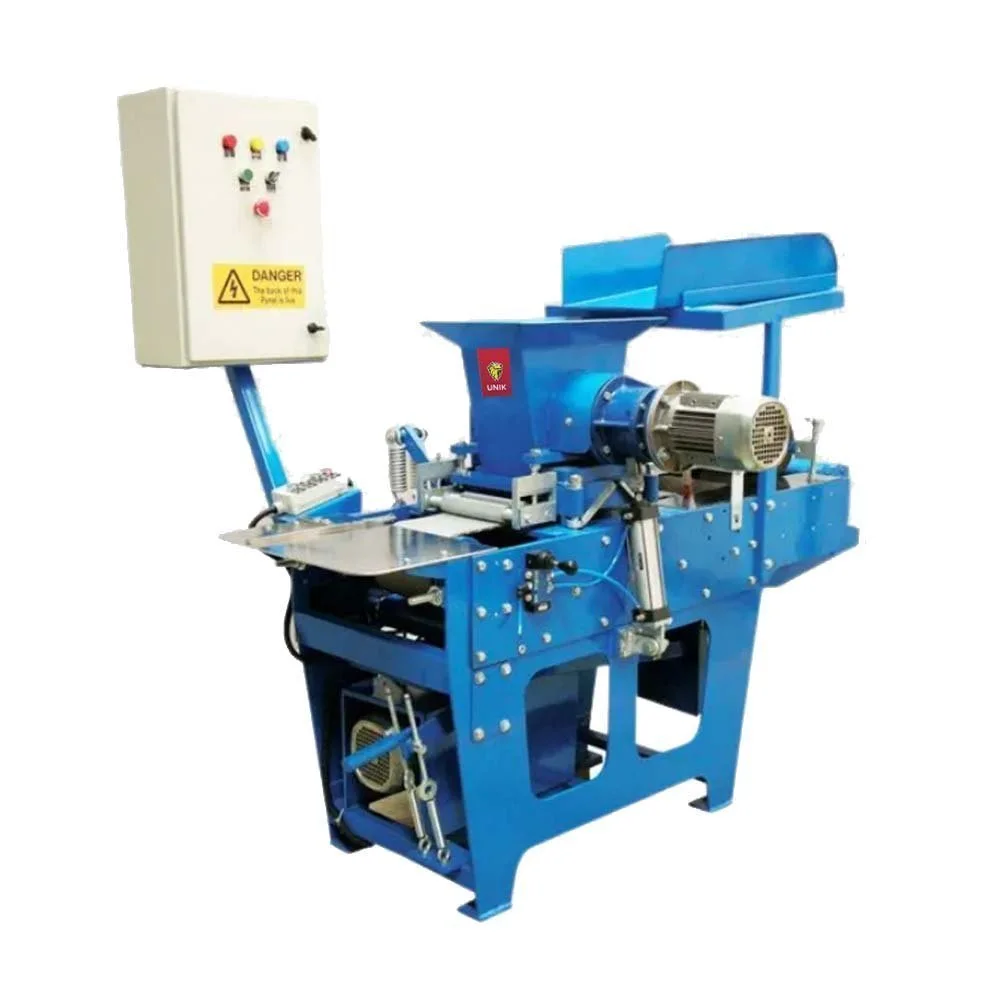
| 1. Plate making | Plate pasting machine | Plate weight, capacity, scrap rate |
| 1a. Tubular plates | Plate filling machine | Fill weight and tube density |
| 2. Curing | Curing chamber | 3BS/4BS ratio, free lead, moisture |
| 3. Lug prep | Lug brushing machine | Weld resistance, post-weld rejects |
| 4. Assembly | Heat sealing machine | Seal integrity, leak rate |
| 5. Filling | Acid filling and level control | Electrolyte volume, formation behaviour |
| 6. Formation | Dry charging oven | Formation charge, dry-charge shelf life |
| 7. Test | Battery test equipment | Capacity, polarity, leak, dispatch release |
How capacity is set
Output is set by the slowest station, not by the fastest machine in the catalogue. A plant rated at 2,000 batteries a day on paper usually runs one or two bottlenecks — curing volume and formation channels are the two we see most often. Curing capacity is a function of chamber volume and cycle time, and formation capacity is a function of the number of charging channels, not of the filling machine.
So we start from three numbers: batteries per shift, plate size for the largest product you will build, and the shift pattern. From those we size the chamber and formation room first, then balance pasting and assembly around them. The battery machines index lists every machine we build by stage.
Footprint and utilities
A 1,000-battery-a-day lead-acid plant typically needs 800–1,500 m² of covered floor, split between plate making, curing, assembly, formation and stores. Utilities dominate the services design: 3-phase power sized on the formation room, acid handling and effluent neutralisation, fume extraction over pasting and formation, and DM water for electrolyte make-up.
Questions buyers ask
Frequently asked questions
What does a battery making plant cost?
Cost is driven by automation level, throughput and how much of the line you already own. Two plants making the same cell can differ by a factor of three on machine cost alone. We quote against a machine list and layout, so you can compare station by station rather than on a lump sum.
What is the smallest plant you build?
Around 500 batteries a day for a traction or tubular line, using semi-automatic pasting and a single curing chamber. Below that, the curing and formation stages stop being economic to run in-house and bought-in plates or batteries usually work out cheaper.
How long does commissioning take?
Machines are built in 8–14 weeks depending on the range, then installation and commissioning run 3–6 weeks on site for a full line. Operator training and a dry run with your own materials are part of handover, not an extra.
Do you supply the layout and utility schedule?
Yes. The quotation package includes a general-arrangement drawing, a utility schedule (power, air, water, extraction, effluent) and a station list, so your civil and electrical contractors can work from the same documents we build to.
Still unresolved? Send the plate drawing or the load profile and we will answer with numbers rather than a brochure. Request a quotation →
Next step
Tell us the cells you need to build,
and the plant you need to run them.
Send your capacity target, cell format and the operations you want to bring in-house. We will come back with a machine list, a layout and an indicative timeline.
What helps us quote fast
- Cell format and dimensions (cylindrical, pouch, prismatic, tubular)
- Target throughput per shift, and annual volume
- Which steps you already run, and which are new
- Shop-floor power supply and available footprint
- Destination port and required commissioning window