Product
Tubular Batteries
Tubular lead-acid batteries with cast tubular positive plates, for solar, inverter, scrubber and deep-cycle duty where flat plates fail early.
Overview
UNIK lead acid batteries made with tubular positive plates for long life and guaranteed performance in demanding environment conditions.
Technical support
Each unit is supplied with an Operation & Maintenance manual covering installation, commissioning, process parameters and the maintenance schedule. Client representatives are invited to the demonstration run before dispatch so that fault finding, process limits and test methods are understood before the machine reaches site.
Delivery and export
Machines are packed for sea freight and dispatched from Nhava Sheva / Mumbai. Lead time is confirmed against the final specification; installation and commissioning support is arranged with the order.
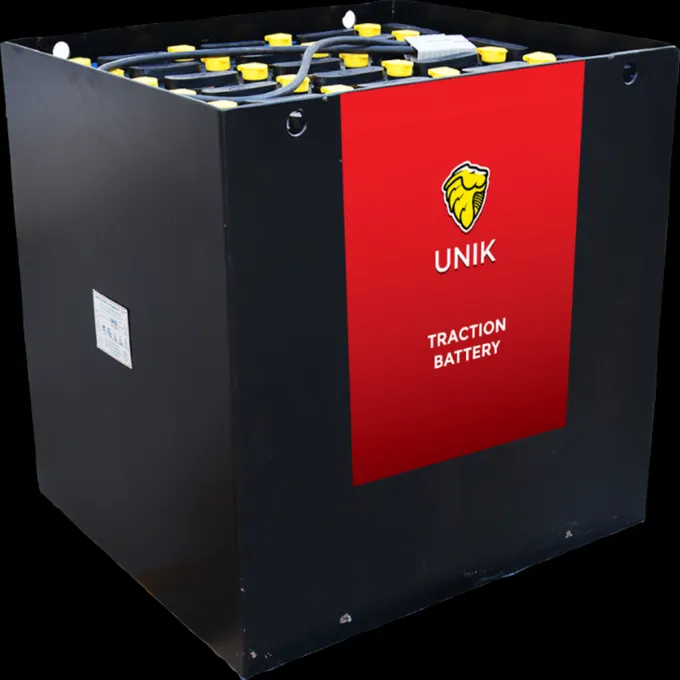
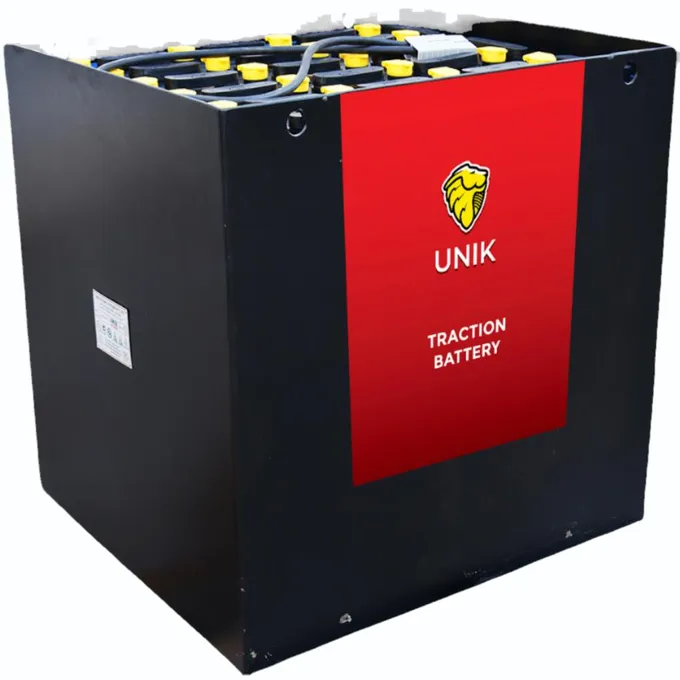
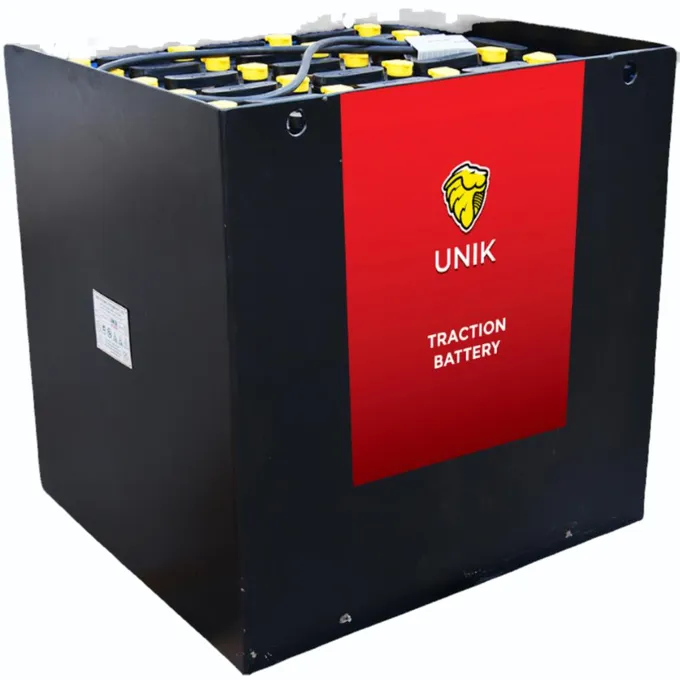
In short: a tubular battery uses positive plates in which the active material is held inside woven tubes over cast spines, which keeps it in place through deep cycling. That construction gives 2–3× the cycle life of a flat-plate battery in solar and inverter duty. Unik builds 2 V cells and 6 V / 12 V monoblocs from 20 to 200 Ah.
Why tubular plates last longer
In a flat pasted plate, active material expands and softens with every cycle; eventually it sheds and the plate loses capacity. In a tubular plate the material sits inside individual tubes, restrained by the fabric, so it can expand without falling away. The spine carries the current, the tube holds the material.
That is why tubular batteries dominate solar and inverter duty in hot climates, where a flat-plate battery on daily deep cycling often fails inside two years. The trade-off is cost per Ah and weight: tubular plates need more lead for the same capacity.
Range
| Type | Voltage | Capacity | Typical use |
|---|---|---|---|
| Tall tubular cell | 2 V | 200 – 3,000 Ah | Solar banks, telecom, substations |
| Short tubular cell | 2 V | 100 – 1,500 Ah | Inverter banks, UPS |
| Monobloc | 6 V / 12 V | 20 – 200 Ah | Home inverter, small solar |
| Scrubber / traction | 2 V / 6 V / 12 V | 100 – 400 Ah | Floor machines, golf carts |
Where they are specified
Solar and inverter installations, telecom sites, switchyard DC systems and floor-cleaning machines. For vehicle traction the same tubular technology is built in DIN formats — see traction batteries. For standby duty where watering is not practical, a VRLA UPS battery is usually the better fit than a flooded tubular cell.
Life depends on the usual two things: charge profile and temperature. Every 10 °C above 25 °C roughly halves service life, so ventilation in the battery room is worth more than a larger battery.
Questions buyers ask
Frequently asked questions
Is a tubular battery better than a flat-plate battery for solar?
For daily deep cycling in a hot climate, yes — typically 1,500+ cycles against 500–700 for a flat-plate battery of the same rating. If the battery is only cycled occasionally, the extra cost of tubular construction is harder to justify.
What is the difference between C10 and C20 capacity?
Both are discharge-rate ratings: C10 means the battery is discharged over 10 hours, C20 over 20 hours. A 100 Ah C20 battery is roughly 85 Ah at C10, so comparing two batteries on different rates can make the smaller one look bigger.
How often do tubular cells need watering?
Every 4–8 weeks in normal inverter duty, more often in hot rooms or on long absorption charges. Water level is the single best early warning of a failing charger: cells that need water far more often than their neighbours are being overcharged.
Still unresolved? Send the plate drawing or the load profile and we will answer with numbers rather than a brochure. Request a quotation →
Next step
Tell us the cells you need to build,
and the plant you need to run them.
Send your capacity target, cell format and the operations you want to bring in-house. We will come back with a machine list, a layout and an indicative timeline.
What helps us quote fast
- Cell format and dimensions (cylindrical, pouch, prismatic, tubular)
- Target throughput per shift, and annual volume
- Which steps you already run, and which are new
- Shop-floor power supply and available footprint
- Destination port and required commissioning window