Company
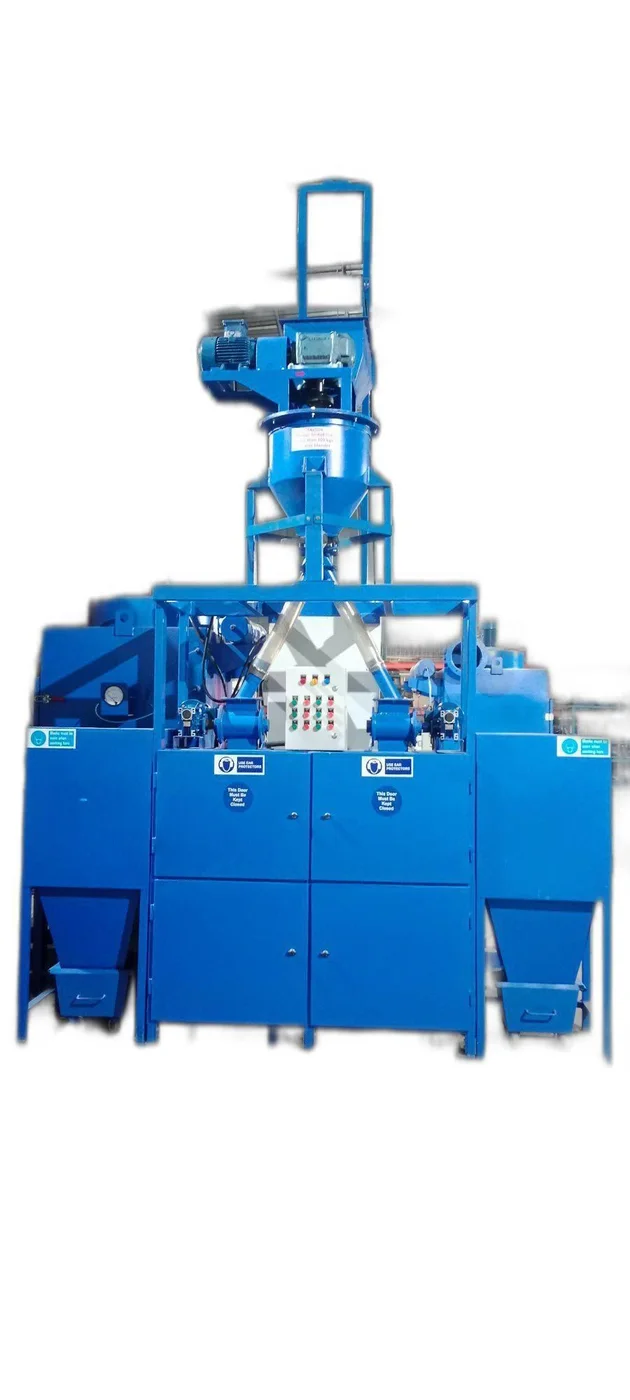
Battery Plate Filling Machine
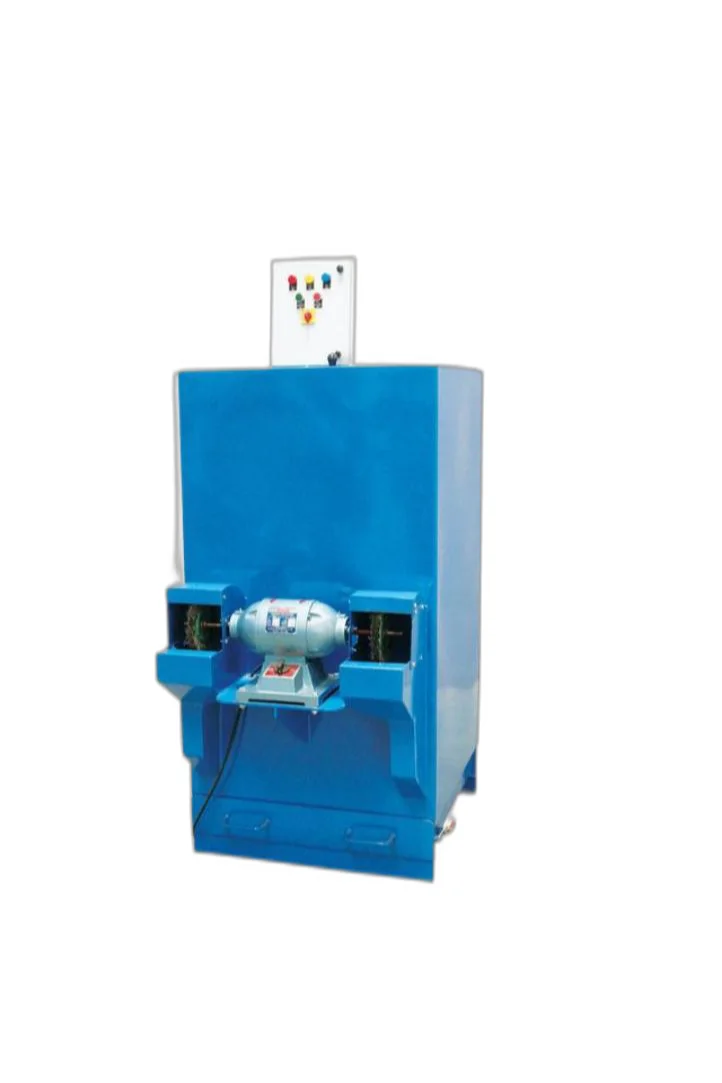
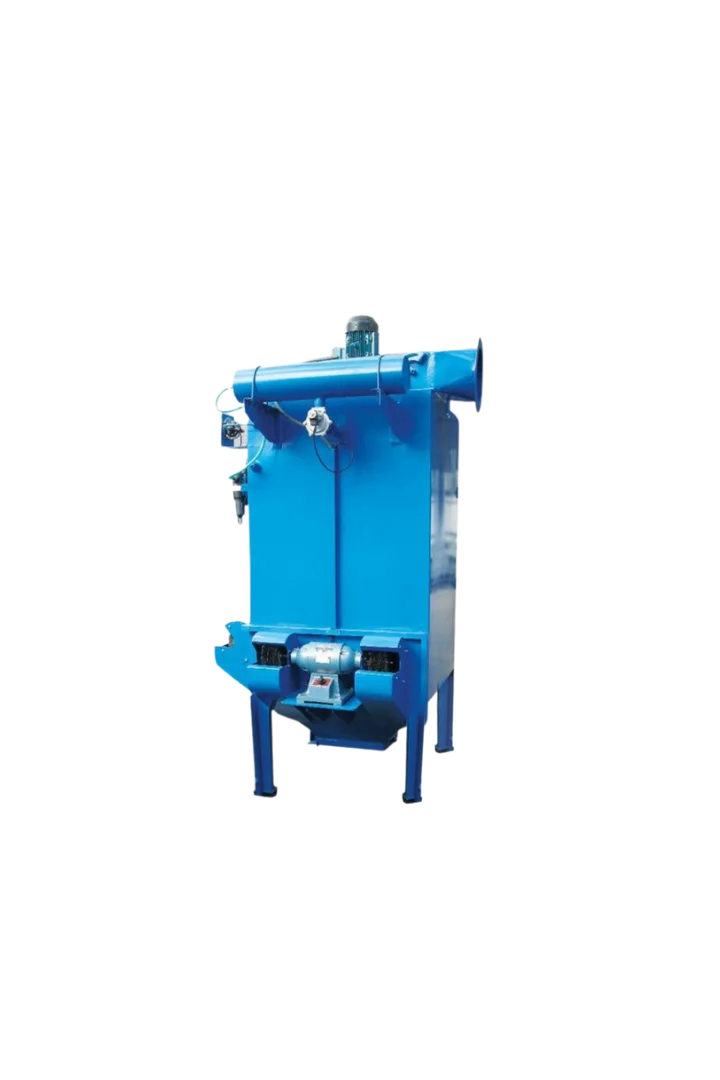
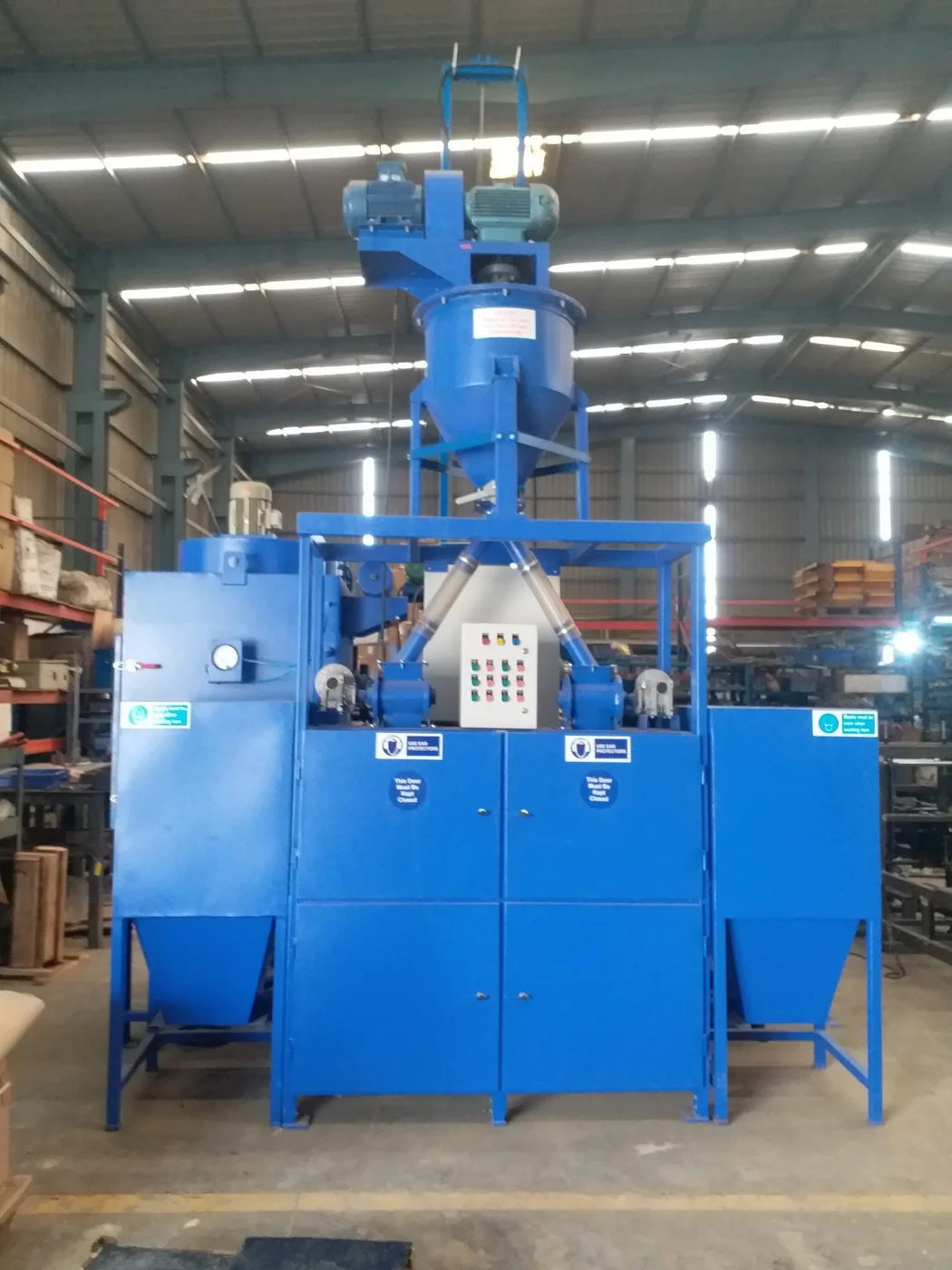
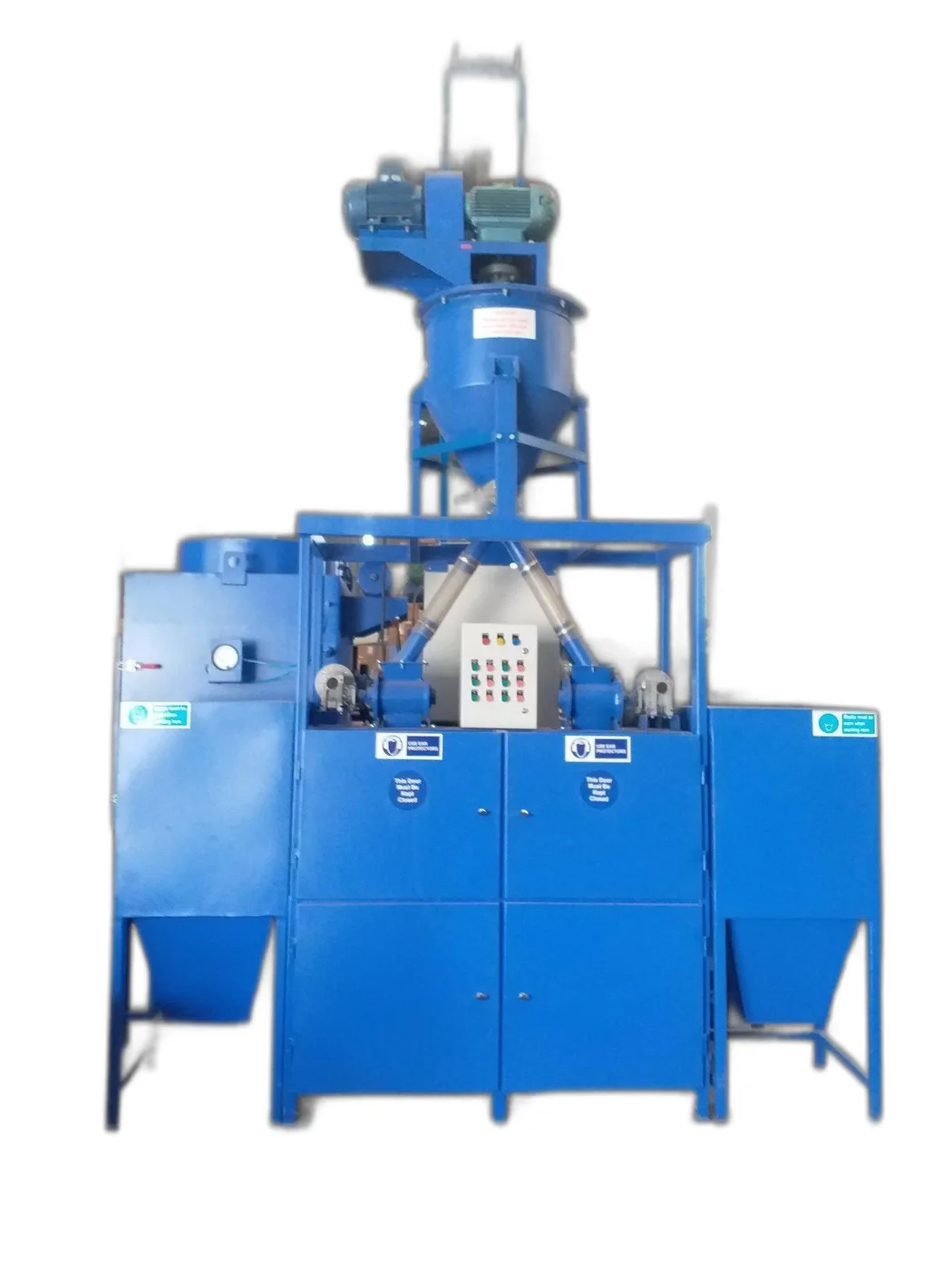
A plate filling machine fills tubular spine bags with dry lead-oxide powder and vibrates it to a set weight, so every tube in the plate carries the same amount of active material.
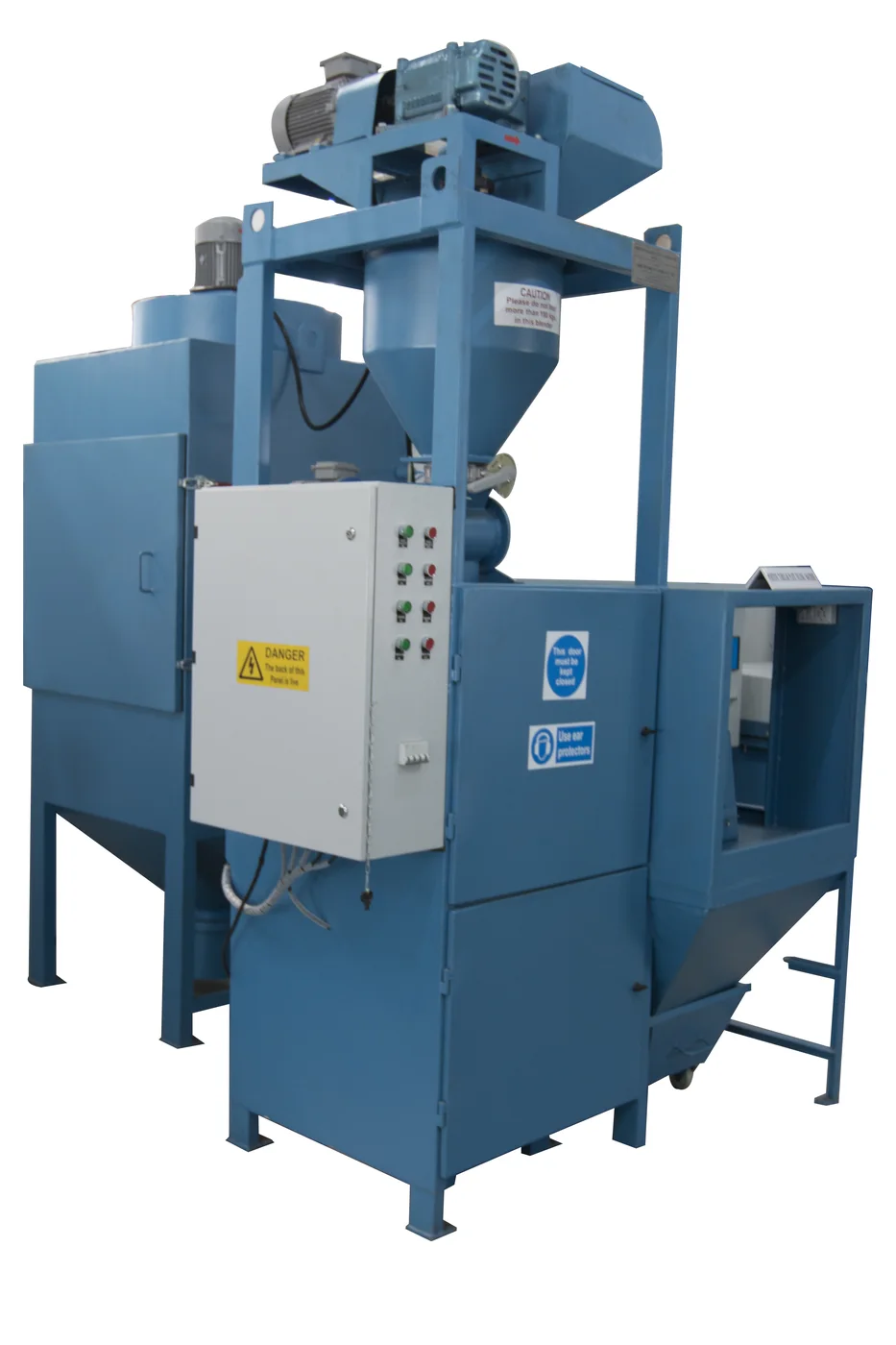
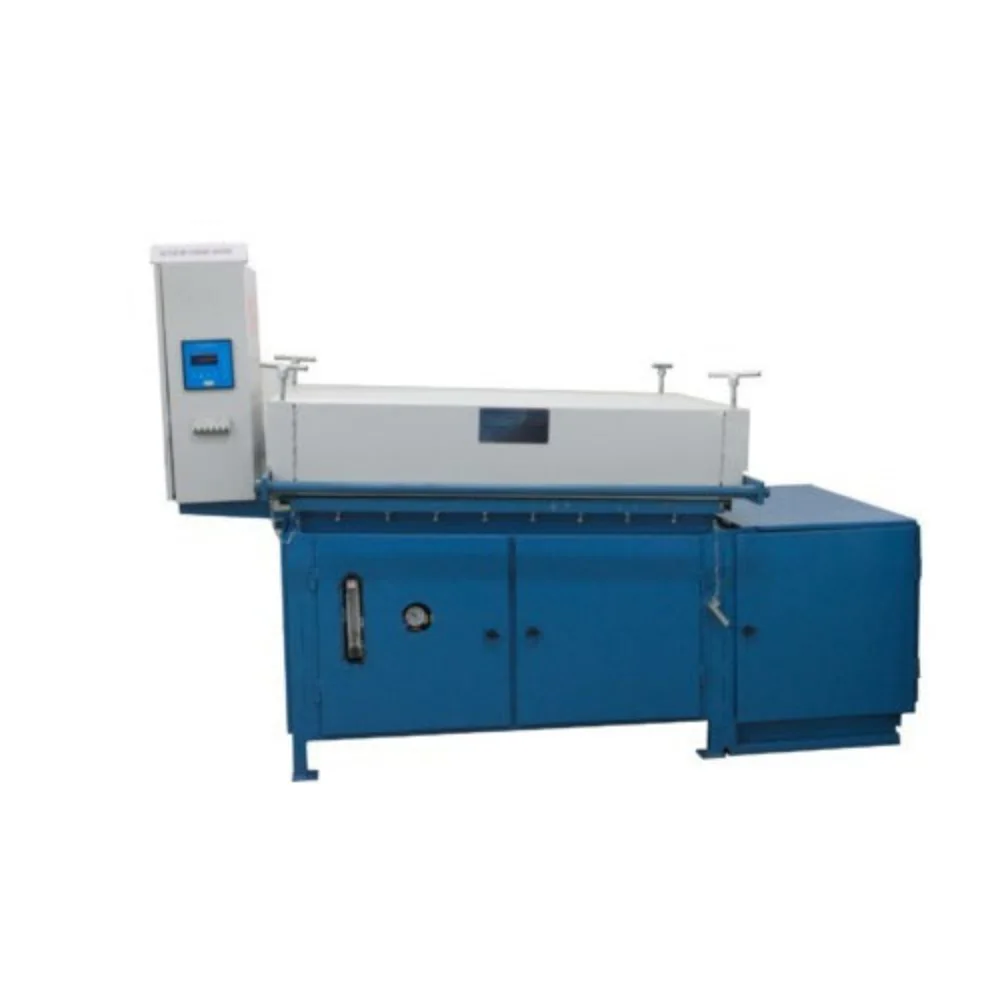
In short: a battery plate filling machine fills the tubes of a tubular positive plate with lead-oxide powder, using vibration and a controlled feed to hit a target weight per plate. Single-station and twin-station units are available, each with a weight check before the plate goes to curing.
Why tubular plates are filled, not pasted
A tubular positive plate holds its active material inside individual tubes threaded over cast spines. The powder has to flow into each tube and settle at a consistent density: fill it loose and the tube sheds material in service, over-compact it and the plate starves of electrolyte at the spine.
The machine meters powder from a hopper, drops it into the tubes through a filling head while vibrating the plate, and checks filled weight. Twin-station builds let the operator load one station while the other fills, which roughly doubles output per operator without a second filling head.
Specifications
| Parameter | Single station | Twin station |
|---|---|---|
| Tube diameter | 8 – 10 mm | 8 – 10 mm |
| Plate length | up to 300 mm | up to 300 mm |
| Fill weight tolerance | ±2 % | ±2 % |
| Output | 60 – 120 plates/h | 120 – 220 plates/h |
| Vibration | Adjustable amplitude | Adjustable amplitude |
| Connected load | 1.5 kW | 2.5 kW |
| Extraction | Hopper + filling head | Hopper + filling head |
What to specify before you order
Send the spine drawing, tube diameter and material, target fill weight per plate, and the powder you intend to run — ball-mill oxide or bought-in oxide, with its apparent density. Apparent density is measured with a powder density meter and it drives both fill time and vibration setting: a batch that arrives 5 % denser will under-fill every plate until the recipe is re-set. If the same line also runs pasted plates, the two routes are compared on the battery making plant page.
Questions buyers ask
Frequently asked questions
How is plate filling different from pasting?
Pasting presses paste onto the outside faces of a flat grid. Filling pushes dry powder inside the tubes of a tubular plate, over cast spines. Tubular plates use filling because the tube holds the active material under pressure for deep-cycle duty; pasted flat plates cannot match that cycle life.
Can one machine run several tube diameters?
Yes, with a change of filling head and a recipe per plate type. Changeover is typically 30–45 minutes. If you run more than three tube sizes on one line, a second head is usually cheaper than the downtime.
Why does apparent density of the oxide matter?
Apparent density decides how much powder a given volume of tube holds. Two oxide batches with the same chemistry but 5 % different density will fill to different weights at the same setting, so density has to be checked on receipt — that is what a powder density meter is for.
Still unresolved? Send the plate drawing or the load profile and we will answer with numbers rather than a brochure. Request a quotation →
Next step
Tell us the cells you need to build,
and the plant you need to run them.
Send your capacity target, cell format and the operations you want to bring in-house. We will come back with a machine list, a layout and an indicative timeline.
What helps us quote fast
- Cell format and dimensions (cylindrical, pouch, prismatic, tubular)
- Target throughput per shift, and annual volume
- Which steps you already run, and which are new
- Shop-floor power supply and available footprint
- Destination port and required commissioning window